Are Corgis the Most Judgmental Dog Breed? An Investigation into the Sass
Published: 2025-12-15
If you are a Corgi owner, you know The Look.
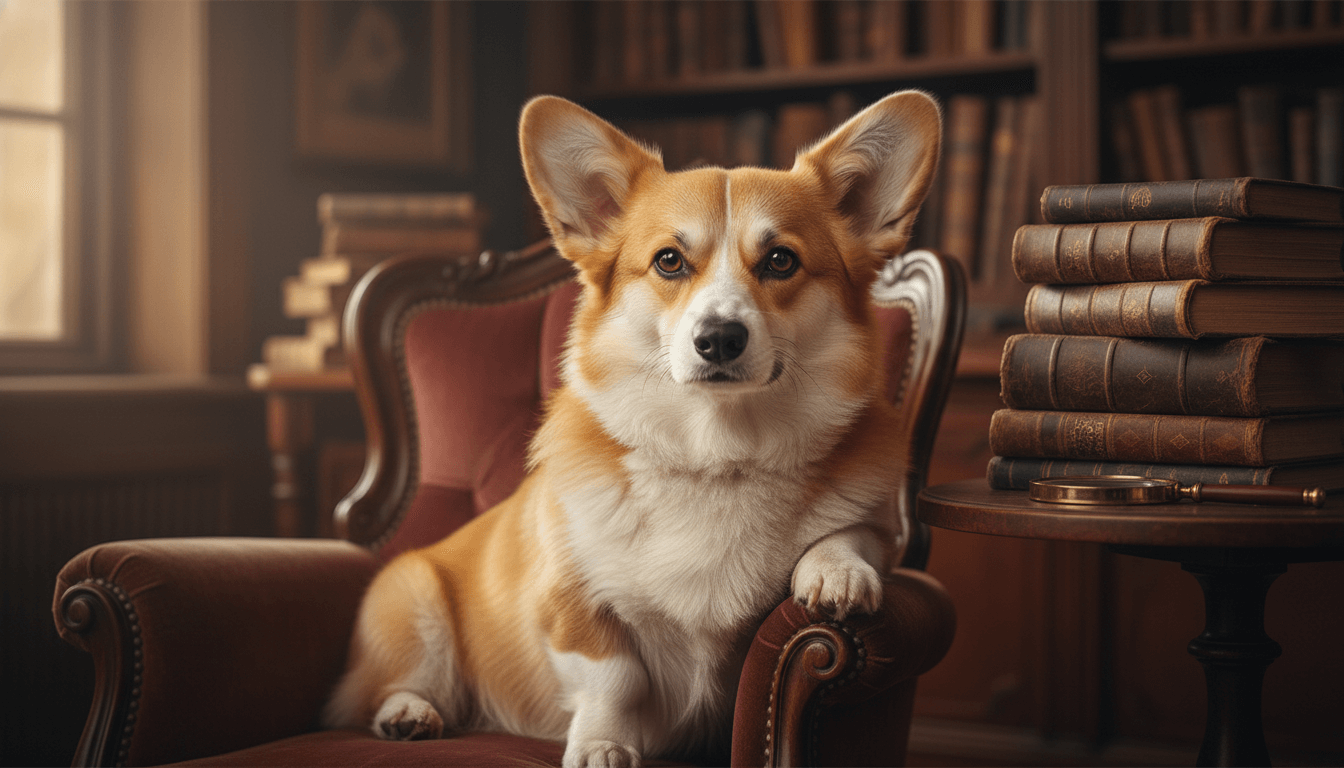
You’re sitting on the couch, enjoying a perfectly reasonable second bowl of ice cream, when you feel a burning sensation on the side of your face. You turn. There, sitting on the floor with the posture of a disappointed librarian, is your Corgi. They aren’t begging. They aren’t wagging. They are simply… observing. One eyebrow is slightly cocked. The white of their eye is showing in a crescent moon of pure skepticism. They let out a long, heavy sigh through their nose—a sound that somehow communicates, “Really? We’re doing this again?”
Welcome to life with a Welsh Corgi, the only dog breed that can make you feel self-conscious about your life choices without saying a single word.
The internet is flooded with memes of “disapproving Corgis.” There are entire social media communities dedicated to the specific genre of side-eye that these low-riders dish out. But is it just us projecting our human insecurities onto our pets? Or is there actually something in the Corgi’s DNA that makes them the harshest critics in the canine kingdom?
We decided to dig into the science, history, and psychology behind the sass to answer the ultimate question: Are Corgis actually judging us? (Spoiler alert: Yes. Yes, they are.)
The Anatomy of the Stink Eye

To understand why a Corgi looks so judgmental, you first have to look at their face. Physically, Corgis are built to express skepticism in a way that other dogs simply aren’t.
It starts with the eyebrows. Scientists have actually studied the facial muscles of dogs compared to wolves, and they found something fascinating. Over thousands of years of domestication, dogs evolved a specific muscle called the levator anguli oculi medialis. It’s a fancy name for the muscle that allows them to raise their inner eyebrows. Wolves don’t have this muscle; only dogs do.
In most breeds, this muscle is used to create “puppy dog eyes.” It makes the eyes look bigger and sadder, triggering a nurturing instinct in humans. It’s why you forgive a Golden Retriever immediately when they eat your shoes. They look at you with that soft, sad gaze, and your brain melts.
Corgis, however, seem to have hacked this evolutionary system. Because of their sharp, fox-like faces and upright ears, when a Corgi raises that inner eyebrow, they don’t look sad. They look concerned. They look like they just saw you check your ex’s Instagram profile and they are embarrassed for you. When you combine that raised brow with their naturally large, almond-shaped eyes, you get a facial expression that reads less like “Please feed me” and more like “I’d like to speak to the manager.”
Then, there is the phenomenon of the “Whale Eye.” In dog behavior discussions, seeing the white of a dog’s eye (the sclera) is often a sign of stress or anxiety. It’s called “Whale Eye.” But Corgi owners know a variation of this that is purely about attitude.
Because Corgis are, chemically speaking, “short,” they spend their entire lives looking up at us. If they are sitting next to you and want to look at your face, they have to crane their necks. Often, it’s easier for them to just tilt their head and rotate their eyes up and to the side. This geometry naturally exposes the white of the eye.
So, while your Corgi might just be looking at you to see if you’re going to drop a crumb, the angle forces them into a look that humans interpret as the “Bombastic Side-Eye.” It’s a trick of physics. They are looking at you from a low angle, through their eyebrows, showing the whites of their eyes. In human body language, that is the universal face of “I doubt your intelligence.” In Corgi body language, it might just mean “My neck is short,” but the emotional damage to the owner is exactly the same.
The History of the Fun Police
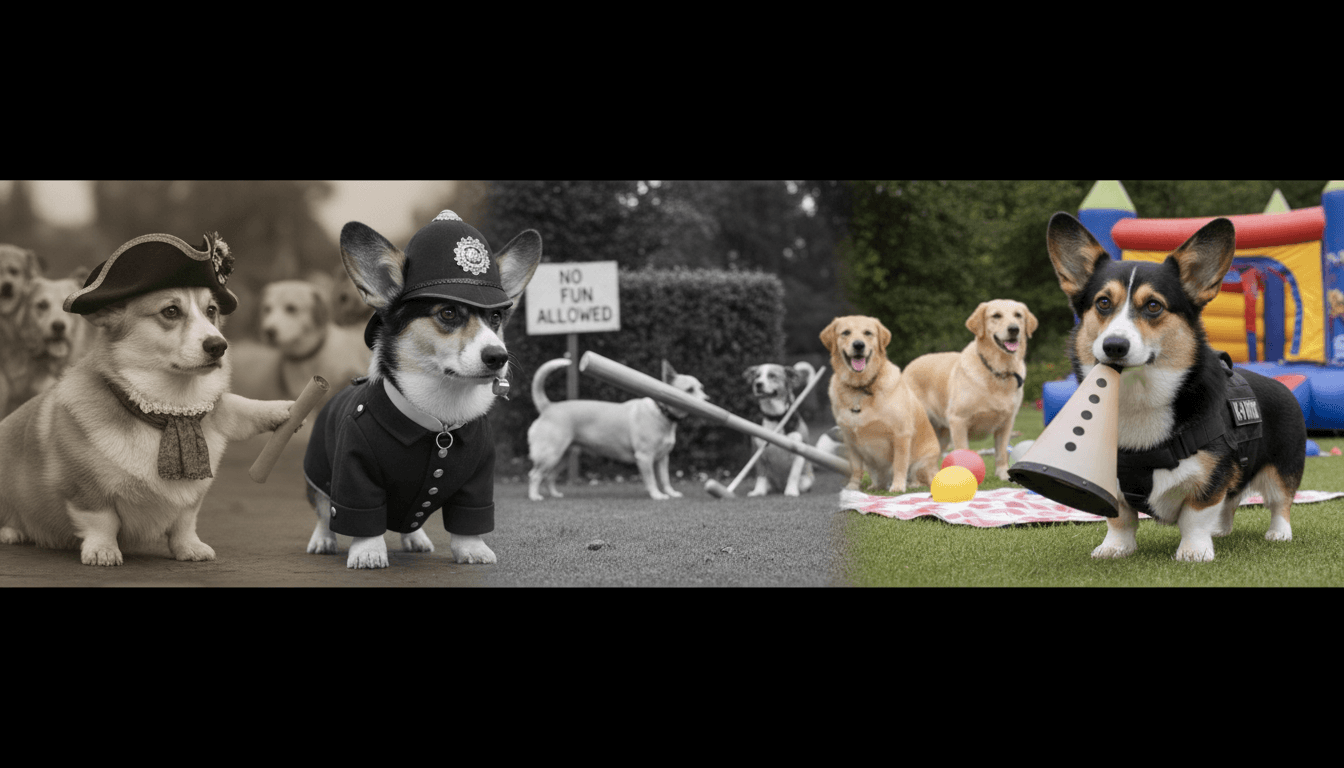
If the anatomy explains the look, the history explains the attitude. To understand why your Corgi acts like a hall monitor in your own home, you have to remember what they were bred to do.
We treat them like royalty now, but Corgis were originally built for the farm. Specifically, they were cattle drovers. Unlike Border Collies, who herd sheep from a distance with intense stares and running, Corgis were bred to move cattle.
Cows are big, heavy, and mean. To move a herd of cows, a Corgi couldn’t be timid. They had to be bold, bossy, and willing to nip at the heels of a 1,000-pound beast to get it moving. If a cow kicked, the Corgi had to flatten itself against the ground to avoid the blow (a move that possibly evolved into the modern “sploot”).
This job description required a very specific personality type. A Corgi had to be an independent thinker. They couldn’t wait for the farmer to tell them every single move; they had to look at the situation, judge it, and fix it. They were bred to be managers.
Fast forward to today. Your Corgi no longer has a herd of cattle to manage. Instead, they have you.
Because they don’t have cows to boss around, they transfer that “herding” instinct onto their human family. This is why Corgis are often called the “Fun Police” of the dog park. Have you ever seen two other dogs playing loudly or running around? A Corgi will almost always rush in, barking and nipping, trying to shut it down. They aren’t playing; they are policing. To a Corgi, chaos is bad. Chaos means the herd is out of control.
Inside the house, this manifests as extreme judgment of your behavior. If you are running late, they know. If you are dancing in the kitchen, they might nip at your ankles to tell you that your erratic movement is unacceptable. They are constantly scanning the environment for things that are “out of order,” and unfortunately, that often includes their owners. When they stare at you, they are assessing your performance as a herd member. And usually, you are receiving a failing grade.
Intelligence: Too Smart for Obedience
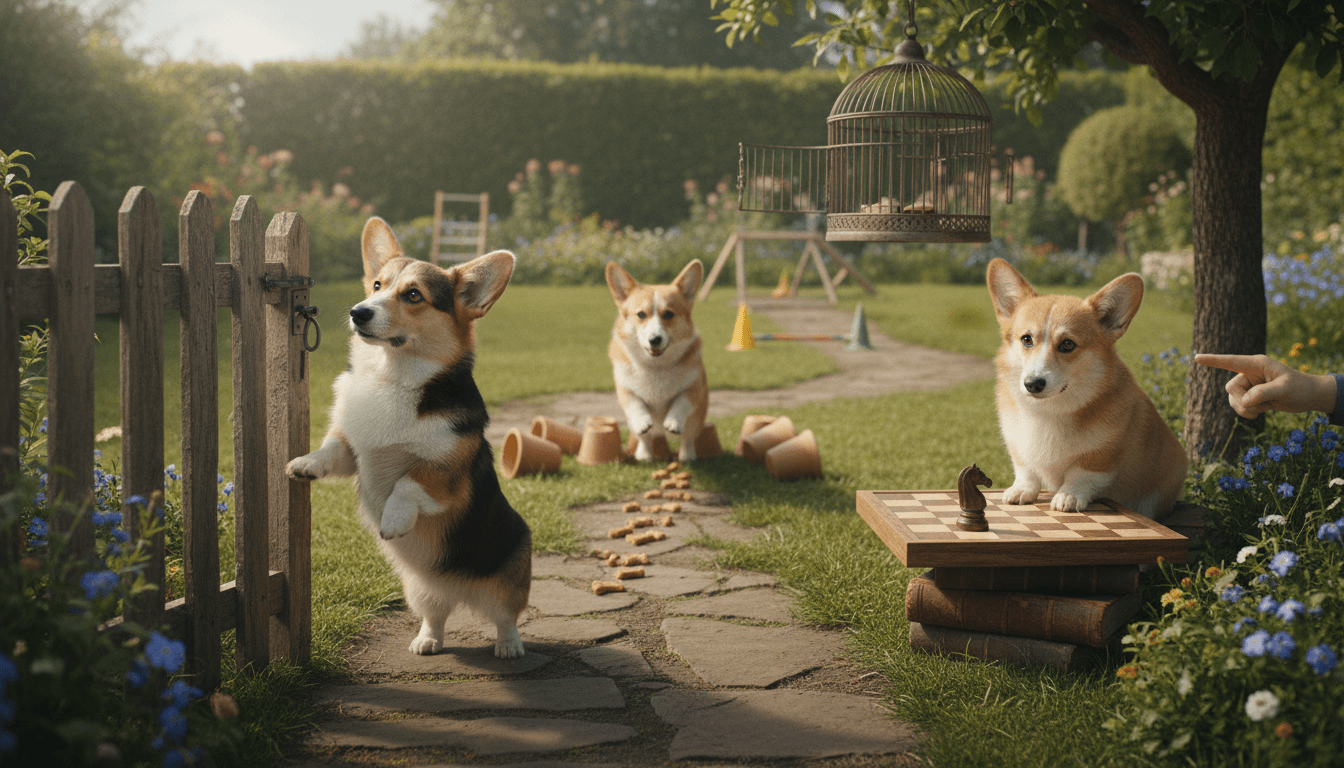
Another reason Corgis feel so judgmental is that they are frighteningly smart. According to dog psychology rankings, Pembrokes are in the top tier of canine intelligence. They learn new commands in fewer than 15 repetitions.
But there is a difference between being “smart” and being “obedient.” A Golden Retriever is smart and wants to please you. A Corgi is smart and wants to know “What’s in it for me?”
This high intelligence leads to what behaviorists call “adaptive intelligence.” Corgis are excellent problem solvers. They watch you. They learn your routine better than you know it yourself. They know that when you put on the specific blue sneakers, you are going for a walk, but when you put on the black dress shoes, you are leaving them forever (or for work).
Because they understand the cause-and-effect of the household so well, they get bored easily. And a bored smart dog is a judgmental dog. When you tell a Corgi to “Sit,” and they just stare at you, they aren’t confused. They heard you. They understand the English language perfectly fine. They are currently performing a risk-benefit analysis.
They are thinking: “The floor is cold. I sat three minutes ago. You are holding a piece of dry kibble, not cheese. I have calculated the exchange rate, and it is insufficient. I decline.”
That stare you get during training isn’t stupidity; it’s negotiation. And that’s why it feels so personal. You can see the gears turning behind their eyes. They are judging the validity of your command and finding it lacking.
The “Sploot” as Civil Disobedience
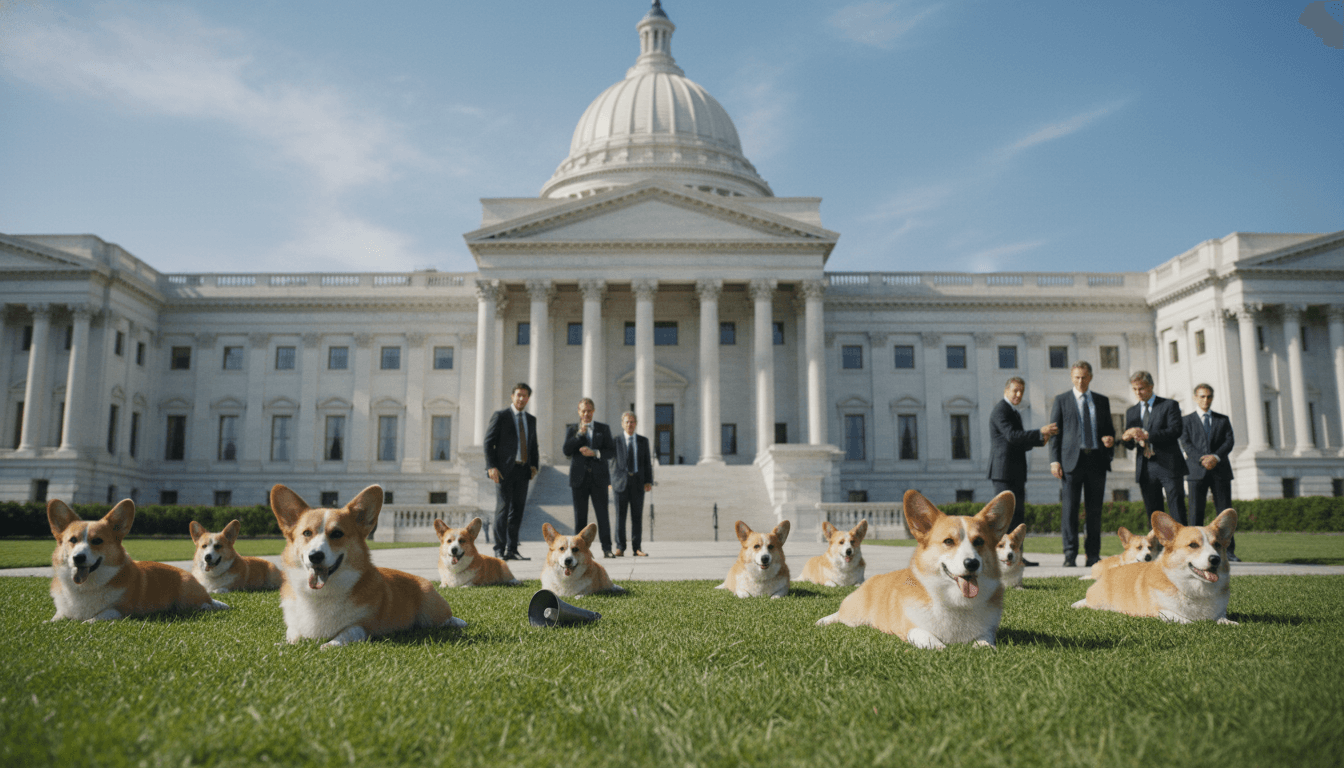
We cannot talk about Corgi attitude without discussing their most famous move: The Sploot.
For the uninitiated, a “sploot” is when a Corgi lies flat on their belly with their back legs stretched out behind them like a frog (or a drumstick). It is adorable. It is photogenic. But it is also a powerful weapon of passive resistance.
Corgis are masters of the “flat tire” technique. You’ll be on a walk, and perhaps you want to go left, but the Corgi wants to go right. Or perhaps the Corgi has decided that the walk is over. Suddenly, the leash goes taut. You look back, and your dog has transformed into a geological feature. They are splooted on the sidewalk, immovable, staring at you with mild amusement as you try to tug them.
Because of their low center of gravity, a splooting Corgi is nearly impossible to move. They become an anchor. A taller dog would be pulled off balance, but a Corgi is already on the ground. They are physically designed for a sit-in protest.
This is judgment in its purest physical form. It is a total rejection of your authority. The Corgi is saying, “You may have the leash, human, but I have the gravity. We shall see who wins.” (Spoiler: The Corgi wins. You are going to carry them.)
The Vocalizations of Disapproval
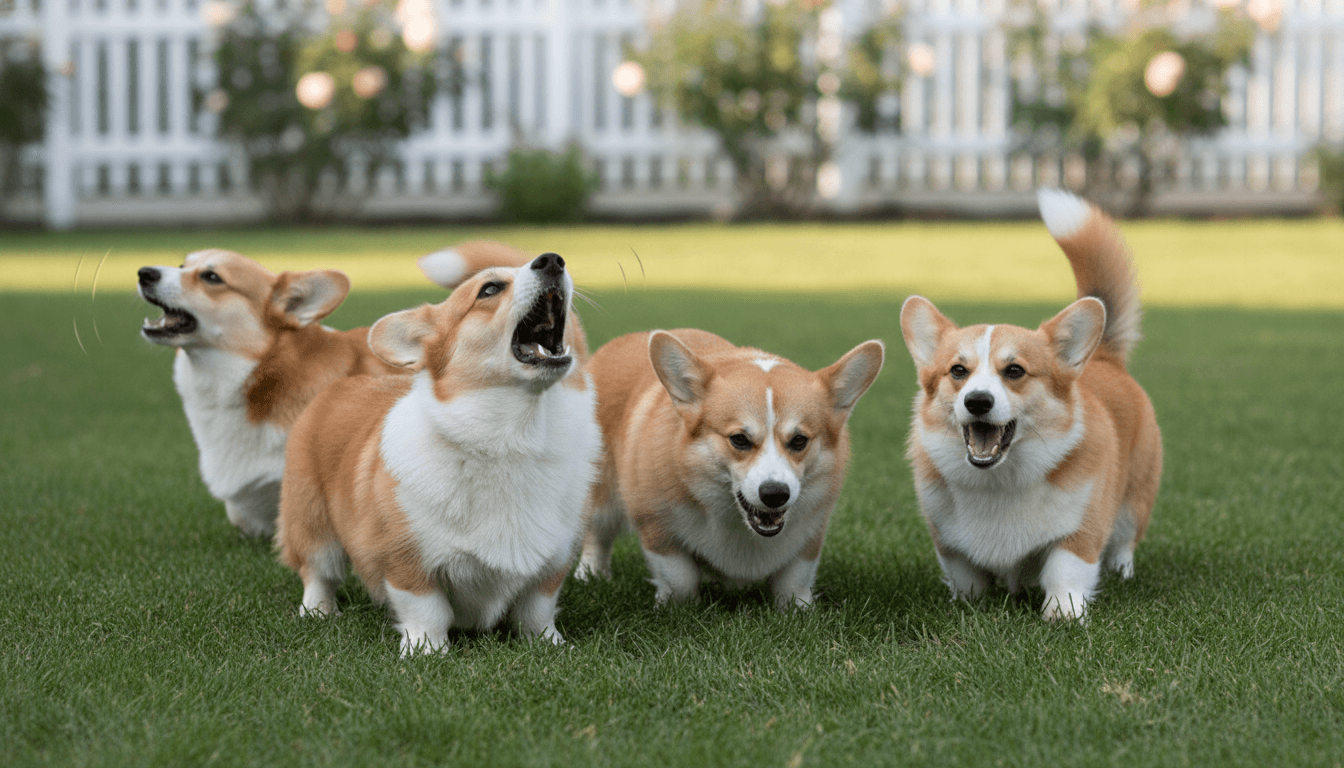
If looks could kill, we’d all be dead, but Corgis also have a soundboard of judgment to back it up. Corgis are vocal dogs, but it’s not just barking. They have a specific vocabulary of grumbles, huffs, and sighs that sound eerily human.
There is the “Judgemental Huff.” This usually happens when you stop petting them, or when you tell them to get off the furniture. They will comply (maybe), but they will let out a sharp exhale of air through their nose as they do it. It is the canine equivalent of a teenager slamming a door.
Then there are the “Wookie Noises.” This is that low, rumbling, talking sound they make when they are frustrated or excited. It often happens when you are preparing their dinner but not moving fast enough. They will sit behind you and mutter under their breath. You don’t need a translator to know they are criticizing your chopping speed.
And finally, the “Termination Sigh.” Scientists have actually studied sighing in dogs and found it signals the end of an action or an effort. But in Corgis, it’s an art form. It happens when they have been staring at you eating a sandwich for ten minutes, utilizing their telepathic powers to make you drop a piece, and you finally finish the last bite without sharing. The Corgi will look at your empty hands, look at your face, and then flop their head onto their paws with a long, shuddering sigh. It is a sound of profound disappointment. It says, “I expected nothing, and I am still let down.”
The “Velcro” Supervisor
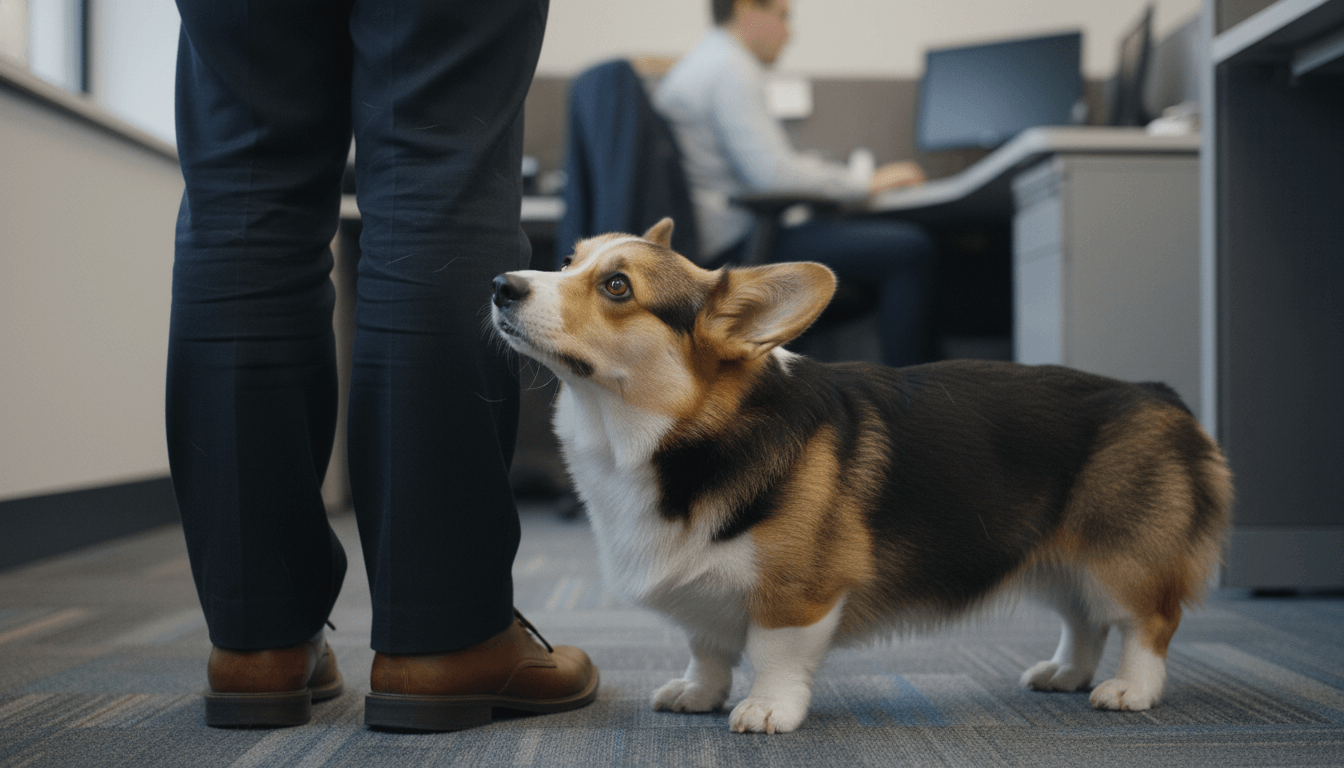
Finally, the ultimate proof of the Corgi’s judgmental nature is their insistence on supervising your most private moments. Corgis are notorious “Velcro dogs.” They want to be where the people are.
But unlike a lap dog that wants to snuggle, a Corgi often just wants to be there. They will follow you into the bathroom, push the door open, and sit just out of reach, staring at you.
Biologically, this is a pack instinct. In the wild, animals are vulnerable when they are… doing their business. Pack members watch each other’s backs during these times. Your Corgi is technically protecting you.
However, because of that aforementioned “Managerial” personality, it doesn’t feel like protection. It feels like a performance review. They sit there, making direct eye contact, watching you exist in the bathroom. It feels like they are timing you. “You have been in here for scrolling on TikTok for 15 minutes. The herd remains unguarded. This is inefficient.”
We Love the Abuse
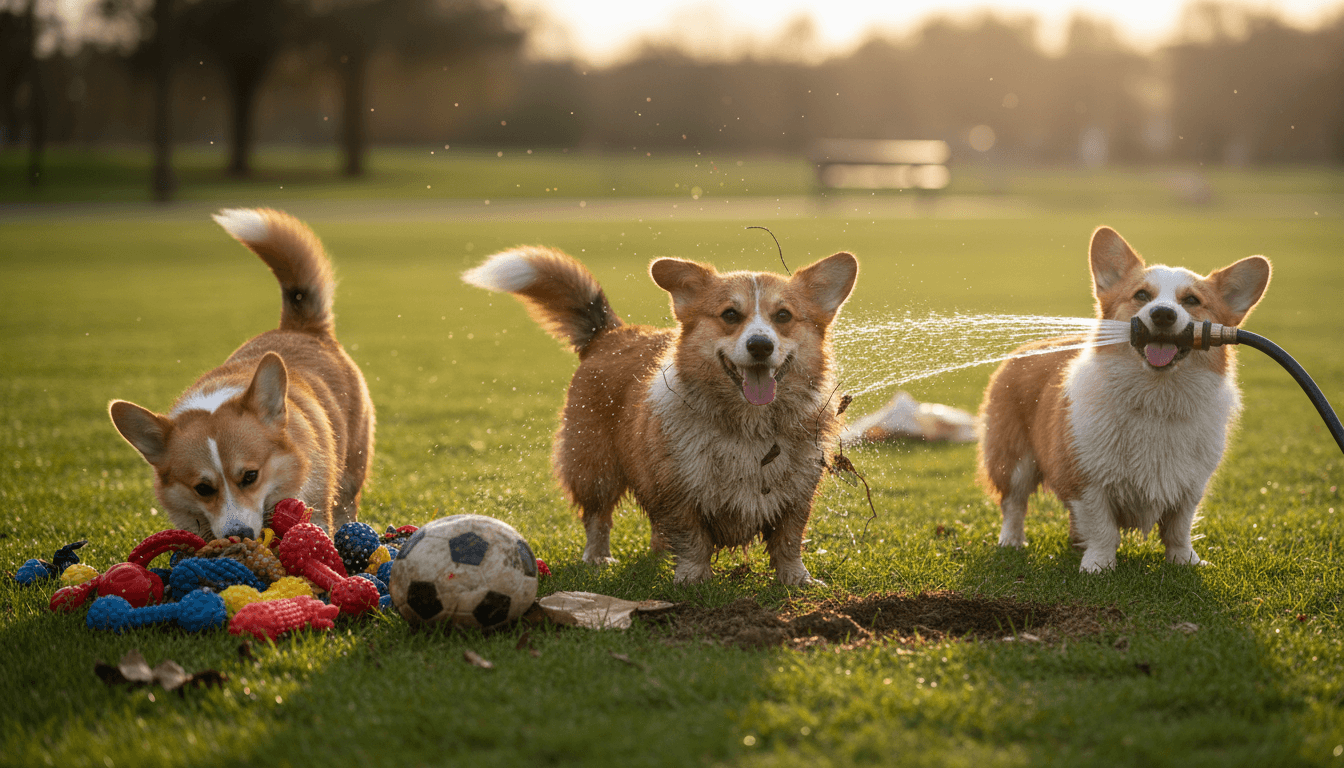
So, are Corgis the most judgmental dog breed? The scientific and anecdotal evidence points to a resounding yes. They are anatomically designed to look skeptical, historically bred to manage chaotic creatures, and smart enough to have opinions on how you run your house.
They judge our schedules, our walking speed, our food-sharing ratios, and our general competence as pack leaders.
And yet, we are obsessed with them. Maybe we like the challenge. Earning the approval of a Golden Retriever is easy; they think you are a god just for existing. But earning the approval of a Corgi? That takes work. When a Corgi chooses to snuggle with you, it’s not because they love everyone. It’s because they have assessed the data, reviewed your file, and decided that, despite your flaws, you are a worthy pillow.
And honestly? That judgment makes the love feel so much more earned. So go ahead, Corgi. Give us the side-eye. We know we deserve it.
Follow Our Corgi Adventures!
Pinterest
Instagram
TikTok
YouTube